
Accounting For Startups: Everything You Need To Know In 2025
You can automate most of your accounting how is sales tax calculated process using accounting software for considerably cheaper. One of the first steps in establishing a startup is figuring out what business structure you’re going to use. This decision will determine how much taxes you’ll pay, your financial liabilities, and more. The income statement (also known as the profit and loss statement) reveals how financially successful your startup has been for a period of time. Cash accounting is a convenient and straightforward method to record transactions based on cash payments. The recognition of income and expenses is recorded when cash is received and paid out.
Know the Nitty-Gritty of Getting a Business Credit Card
- These reviews ensure your business remains aligned with its goals and maintains accurate financial records.
- By maintaining accurate records, startups can track their income and expenses, monitor cash flow, and identify areas where they can cut costs and increase profitability.
- Having payroll in place when you bring on your first hire will help you ensure that they are paid on time and accurately, which will benefit you both.
- It can be time-consuming, tiring, and leaves plenty of room for accounting errors.
- This means, transactions get recorded the moment they happen, whether or not payments have been made.
- Tax planning can be complex, and startups may not have the necessary expertise to navigate the tax laws and regulations.
The income statement, balance sheet, and cash flow statement are essential documents that help assess a company’s financial health. These monthly financial statements provide a comprehensive view of your startup’s financial position, enabling you to make informed decisions. Whether you’re managing cash flow, analyzing profits, or planning for taxes, proper accounting practices can make or break your venture. Startups, especially in their early stages, often struggle with organizing finances, which can lead to costly bookkeeping for startups mistakes down the road. In this guide, we’ll walk you through the essential steps, tips, and tools that will set your startup on the right financial path from day one. Choosing the right accountant is crucial for startups aiming to succeed in the local market.
Utilizing Technology in Bookkeeping for Startups

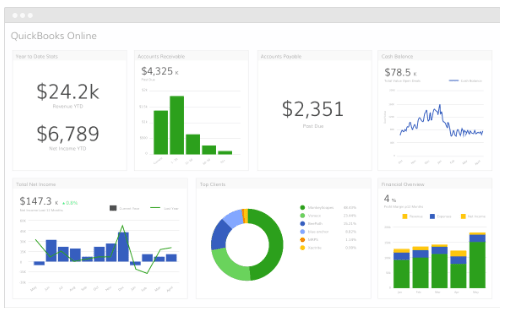
Aim for understanding the more important concepts, and how they apply to your business. Most accounting systems cater to https://www.bookstime.com/ basic accounting needs, such as tracking spending and expenses, billing, accounts receivable, and so on. Of the many accounting software options on the market, each one has its benefits and drawbacks based on your business size, number of employees and other needs. Let’s face it, finances can be tedious and time-consuming, and running a small business is hard enough as it is. Luckily, technology has made performing accounting tasks much easier via automation tools which help to reduce human error and save valuable time and money.
Conveying Information to Investors
- So, it’s super important to make sure your startup doesn’t run out of money before it starts making money or gets support from investors.
- Finally, below, we’ve answered some frequently asked accounting questions that business owners have.
- Currently, he plays a strategic role in decision-making, financial reporting, regulatory compliance, and team leadership.
- Accurate record-keeping is the foundation of financial success for any startup, and implementing key accounting tips for startups can help ensure your financial records are organized and reliable.
- Similarly, using cash-based accounting instead of accrual-based accounting can complicate financial tracking and distort the understanding of a startup’s performance.
We provide accounting, 401k audits, tax and financial planning services in addition to a wide range of business and consulting services. Budgeting is an invaluable tool for startups, providing a framework for financial discipline and strategic planning. A well-structured budget helps prioritize expenses, allocate resources effectively, and anticipate future financial needs.
Leverage Accounting Software
- Next, establish a dedicated business bank account to separate personal and business finances.
- Investors want to see that a startup is financially sound before they put in their money.
- An accountant familiar with your industry will help you pay the least amount of taxes possible and protect you from the IRS limelight.
- Good accounting is essential for startups to gain financial clarity, make informed decisions, and attract investors.
- At Knowcraft, Syed manages overall operations for clients engaged in M&A advisory services.
- Cash Accounting recognizes revenue and expenses when actual cash changes hands, making it straightforward and suitable for smaller startups.
Regularly monitor your cash flow to ensure you have enough funds to cover operational costs and unexpected expenses. Consider creating a cash flow forecast to anticipate future cash needs and avoid shortfalls. In this guide, we will break down exactly what you need to know about startup accounting. From the basic steps and helpful tips to the best accounting firms and top software, you will get all the information you need to manage your finances with ease. If your business is small, you might choose to handle the accounting yourself rather than hiring an accountant, and only seek professional when it’s time to prepare taxes.

Dejar un comentario
¿Quieres unirte a la conversación?Siéntete libre de contribuir!